


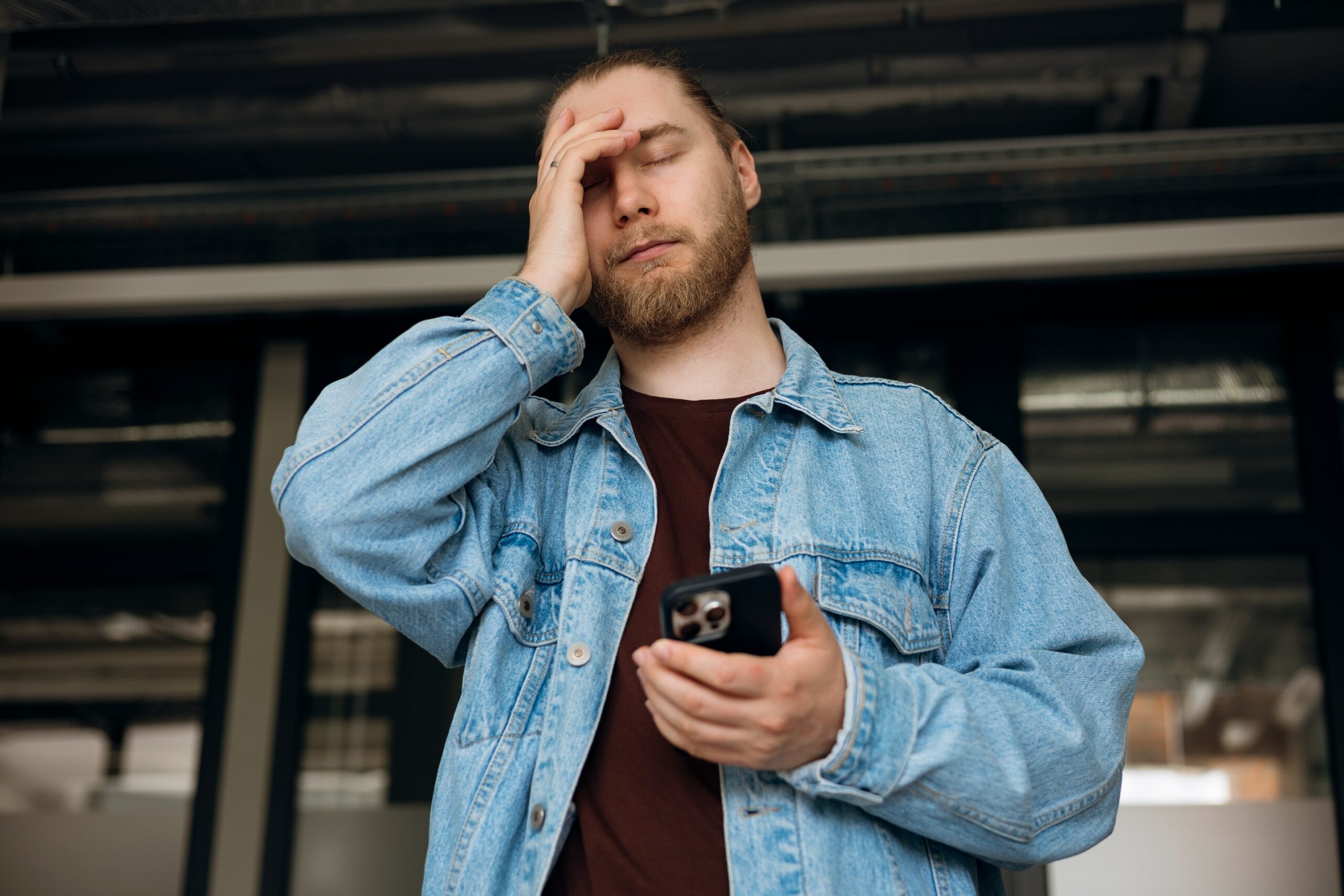
Your phone buzzes. Another headline, another post, another reason to check what’s happening. News, social comparison, and constant connectivity compete for your attention, sometimes making everyday stress harder to manage. That’s one way modern anxiety can show up. Researchers continue to examine how social media habits relate to anxiety, particularly when online pressures begin affecting life offline. If worry starts interfering with daily responsibilities, psychological evaluations can help identify contributing factors.
What Is Modern Anxiety?
Modern anxiety describes worry or distress shaped by everyday pressures such as constant connectivity, financial stress, and rapid news cycles. It isn’t a formal clinical diagnosis, but a way to describe how anxiety can surface amid the demands of modern life. With work messages, breaking news, and social updates arriving on the same screen, finding time to mentally disconnect can become difficult.
What Is Social Media Anxiety?
Social media anxiety refers to worry or distress connected with online interactions. You might feel pressure to respond immediately, worry about missing an important update, or second-guess something you’ve posted. These usage patterns can contribute to emotional distress, although their effects vary depending on the person and how they use social platforms.
Why Is Anxiety Often Discussed With Gen Z?
For Gen Z, social platforms have been part of friendships, school, entertainment, and identity development from an early age. That makes online activity an important subject in youth mental health research. But social media is only one influence. Financial stress, relationships, world events, sleep, and existing mental health conditions can also affect anxiety. Researchers continue to examine how these factors interact rather than treating screen time alone as the explanation.
How Can Social Media Contribute to Anxiety?
Studies have linked problematic social media use with anxiety symptoms, although time spent online doesn’t tell the whole story. Fear of missing out can encourage repeated checking, while comparing everyday life with carefully selected posts may increase feelings of inadequacy. Negative interactions, including hostile comments or exclusion, can add further stress. These experiences may reinforce the worry and mental overload associated with modern anxiety.
When Should Anxiety Be Professionally Evaluated?
Anxiety can range from occasional worry to symptoms that interfere with sleep, school, work, relationships, or everyday responsibilities. When those symptoms begin disrupting daily life, a psychological evaluation can help clarify what may be contributing to them. Anxiety can also occur alongside depression and other concerns, so looking at the full picture matters. Central Focus uses standardized, research-validated assessment tools to evaluate cognitive, emotional, and behavioral concerns and provide recommendations based on the results.
Get Answers About Anxiety in Colorado Springs
Modern anxiety can feel difficult to untangle when social media, stress, mood, attention, sleep, daily habits, and other concerns overlap. A psychological evaluation can help build a clearer picture of what you’re experiencing and what the next steps may look like. Central Focus Psychological Group provides evaluations for children, teens, and adults in Colorado Springs, with each assessment shaped around the person’s history, concerns, and support needs.
If anxiety is interfering with your daily life, schedule an evaluation with our team to discuss your concerns.